The Kawasaki Representative Assembly for Foreign Residents, Explained
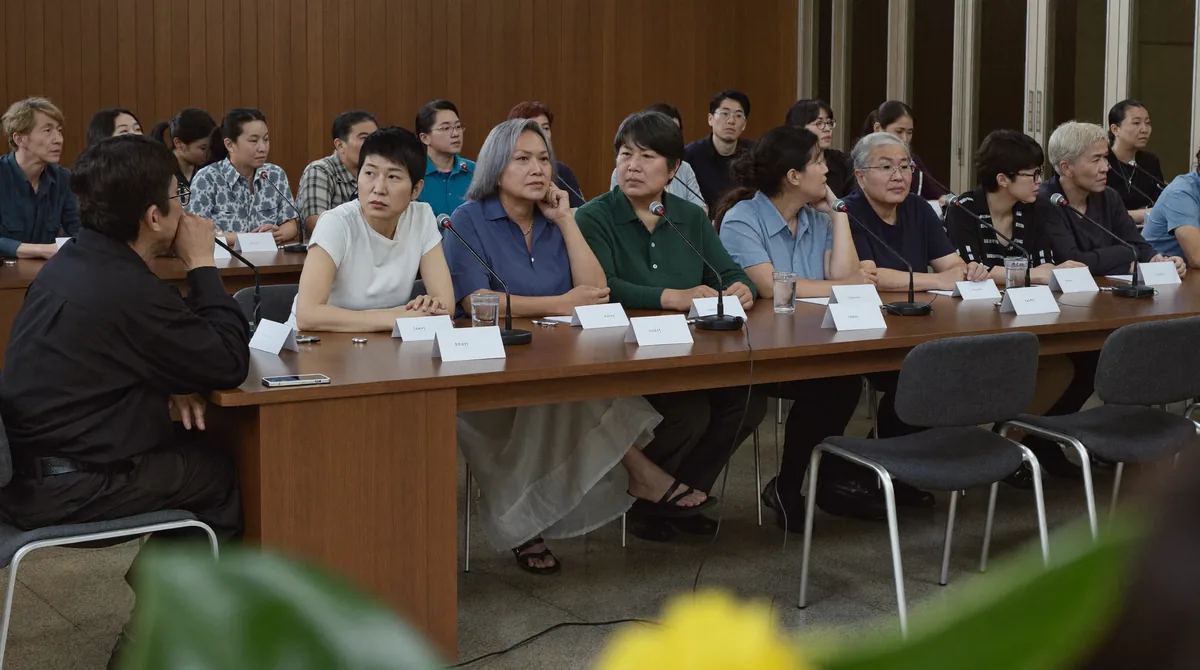
Kawasaki has a formal channel for foreign residents to bring their views into city government: the Kawasaki City Representative Assembly for Foreign Residents (川崎市外国人市民代表者会議). It was set up by ordinance in 1996. Foreign residents chosen through an open call pick their own topics, study them, and report their conclusions to the mayor. Our representative director serves as one of its representatives. This article explains how the assembly works, what it has proposed, and how a foreign resident can take part or follow it.
What the assembly is
According to the city's official page, Kawasaki regards foreign residents as partners in building a community where everyone lives together, and in December 1996 it created the assembly by ordinance as a mechanism for foreign residents to take part in city government. The full text of the ordinance (Kawasaki City Ordinance No. 25 of October 3, 1996) is published in the appendix of the annual report. Article 1 states its purpose: to guarantee foreign residents the opportunity to examine issues that concern them, to promote their participation in city government, and through that to build mutual understanding and a community where people live together.
The assembly has up to 26 representatives. Under Article 5, each representative acts for all foreign residents of Kawasaki, not for the country of their own nationality. The assembly runs itself, and each year it compiles the results of its deliberations and reports them to the mayor, who reports to the city council and publishes them. In the preface to the 2025 annual report, the chair thanks the mayor and council for establishing, ahead of the rest of the country, an assembly of foreign residents based on an ordinance.
How representatives are chosen
The city holds an open call every two years. Applicants must not hold Japanese nationality, must be at least 18, and must have been registered as residents of Kawasaki for at least one continuous year. A selection committee reviews the applications and the mayor appoints the representatives. The term is two years, renewable once.
The selection rules require at least one representative from each of the five regional groups used by the United Nations Human Rights Council, and no more than four from the same nationality or region. The committee looks at Japanese conversation ability, interest in city affairs, involvement with the local community and with other foreign residents, and willingness to work on an inclusive city. It also pays attention to gender balance, area of residence and age.
Meetings are held in Japanese, and a representative may bring an interpreter when needed (Article 5 of the operating rules). Meetings are open to the public as a rule, and representatives are paid for attendance.
What it has proposed
From fiscal 1996 to fiscal 2025 the assembly submitted 60 proposals on education, information, housing, welfare, international exchange, participation in city government, disaster preparedness and other topics. The mayor is expected to respect them; they are discussed at a city wide liaison meeting on human rights and gender equality and then passed to the responsible bureaus. The city's page lists these as examples of proposals that were carried out:
- Creation of the Kawasaki housing support system
- Information corners for foreign residents
- Distribution of a guide to city counters and contact points for foreign residents
- Multilingual evacuation registration cards added to the shelter operations manual
- A guide for filling in infant health checkup forms
- A special admission system at Kawasaki municipal high schools
The most recent term, the 15th (fiscal 2024 and 2025), produced proposals on two themes: child rearing and education, and disaster preparedness. The first asks the city to make information on the Japanese school system easy for parents and children to find. The second asks for more outreach so that foreign residents unfamiliar with Japanese disaster practice are not left stranded when one happens (15th term proposals).
Taking part, attending, following along
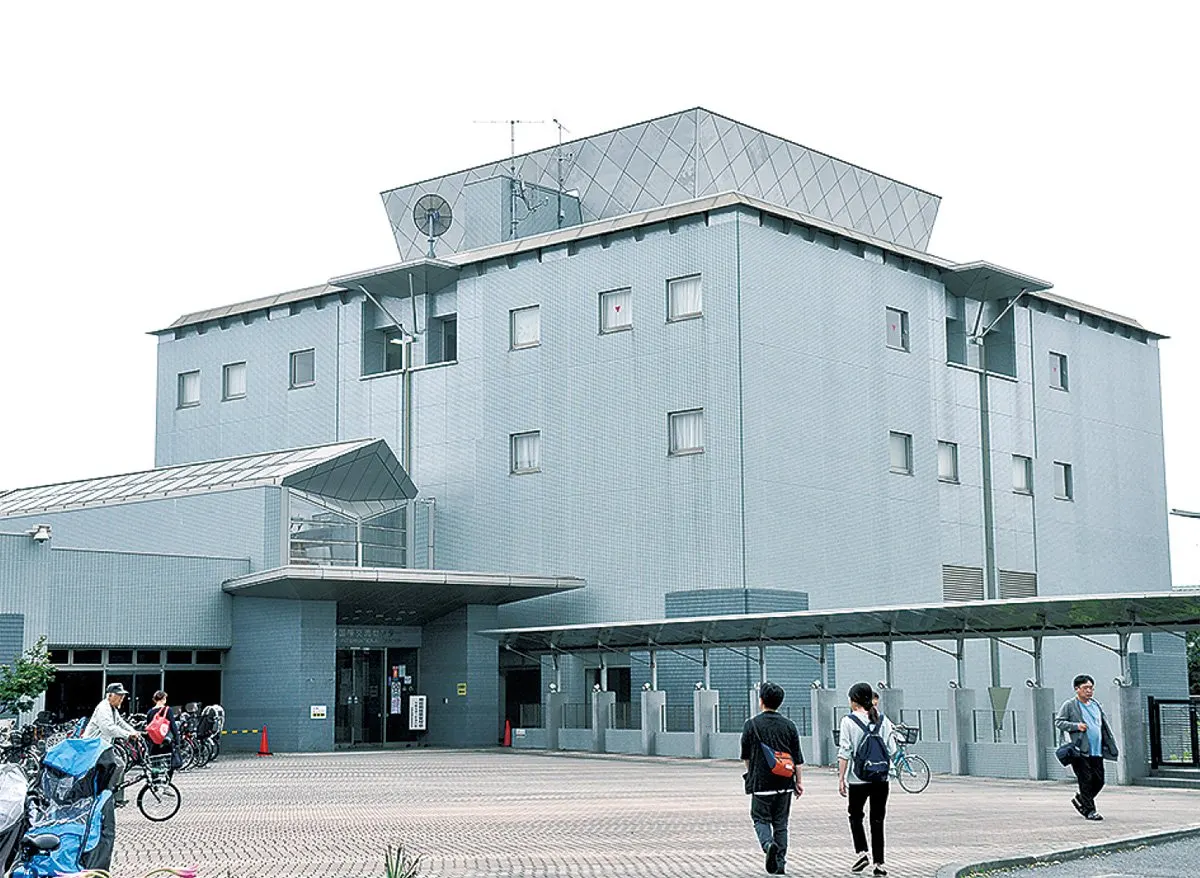
The assembly meets eight or nine times a year, on Sunday afternoons. Anyone can attend as an observer with no registration; you simply go to the venue. The schedule for fiscal 2026 is on the city site, with most sessions at the Kawasaki International Center.
Minutes are published on the minutes page, and the annual reports are available in full. The newsletter comes in eight languages: Japanese with furigana, English, Chinese, Portuguese, Spanish, Korean, Filipino and Vietnamese. If you would like to become a representative, watch the city's pages for the next open call or contact the Multicultural Coexistence Promotion Division (044-200-2846). For everyday support in Kawasaki, see our article on the Kawasaki International Association (KIAN).
Why it matters to employers
For a company employing foreign staff, the assembly is a window into where foreign residents struggle in daily life, with children's schooling, or in a disaster. The annual reports and newsletters show the issues your employees are likely to face, and the counters and multilingual materials the city already provides.
How Sincero Global helps
Our representative director serves as a representative on the Kawasaki City Representative Assembly for Foreign Residents. Sincero Global Co., Ltd. supports foreign staff and the companies they work for in several languages, by phone, email or LINE, from questions about daily life and the workplace to guidance on city procedures. Feel free to get in touch.