
News
Updates on residence procedures, hiring foreign talent and everyday life in Japan.
 Labor condition notices for foreign hires: what Japan requires in writing since April 2024Every hire in Japan gets a written notice of working conditions. Since April 2024 it must cover where the person could be moved and any cap on renewals. The MHLW model notice comes in eight languages.
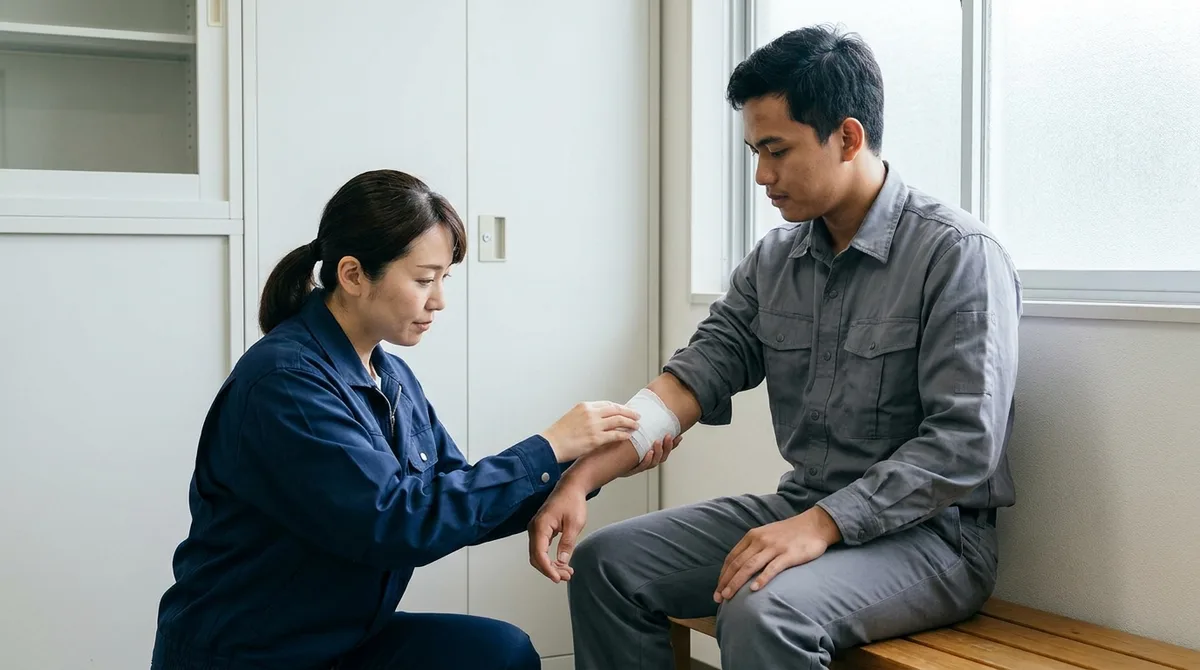 Workers' accident insurance for foreign workers in JapanJapan's workers' accident insurance covers foreign employees of any nationality, students included. What it pays, and what employers must report.
 Renewal still pending at expiry? Japan's two month special periodApply to renew or change your status before it expires and you can keep working in Japan until the decision, or two months past the expiry date.
 Hiring an international graduate for April 2027: apply from December 1Japan asks students starting work in April 2027 to apply for their change of status from December 1, 2026 to the end of January. Dispatch adds limits.
 Foreign driver's license conversion in Kanagawa: the 2025 rulesSince October 2025, converting a foreign license needs a certificate of residence and a 50 question test passed at 90%. In Kanagawa, by reservation only.
 Changing jobs on a work visa: the 14 day notice and the 3 month ruleLeaving or starting a job on a work visa means a 14 day notice to immigration. Some statuses need new permission, and 3 months idle can cost the visa.
 Year end tax adjustment for foreign employees: dependents living abroadWhether a foreign employee goes through the year end tax adjustment depends on tax residency, not nationality. Relatives living abroad aged 30 to 69 only count as dependents in narrow cases, and the claim needs relationship and remittance documents. Here is what the National Tax Agency says for 2026, including the higher basic deduction.
 Going home for the holidays? What employers should check about the special re-entry permitLeave Japan without a re-entry permit and your status of residence ends on the spot. The conditions of the special re-entry permit, its one year or expiry date limit, why it cannot be extended abroad, and what to check for staff whose card expires soon, from the Immigration Control Act and the Immigration Services Agency.
 Japan's guideline on employing foreign workers was revised in 2026: what changes and whenThe Ministry of Health, Labour and Welfare guideline that sets out what employers of foreign workers should do was revised in May 2026, with changes taking effect on June 14 and October 1, 2026 and April 1, 2027. A summary of the changes and of the basics, including the employment manager needed at 10 or more foreign workers.
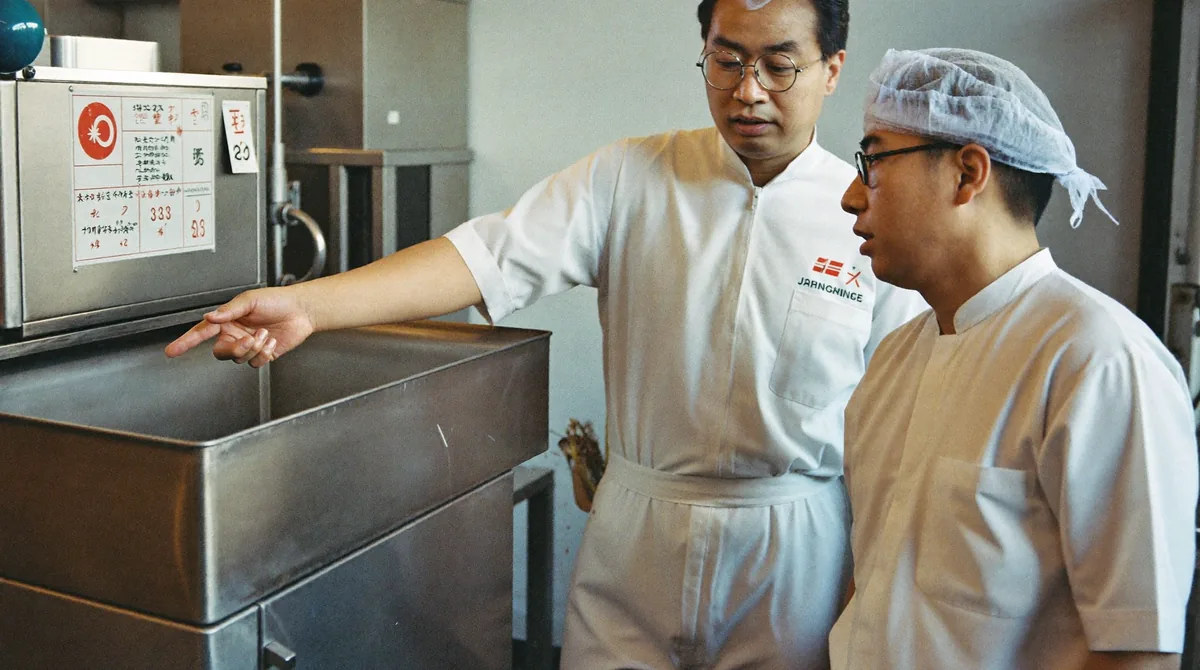 Hiring a Specified Skilled Worker: what the employer takes onThe 19 fields, type (i) versus type (ii), the employer's obligations, the 10 item support plan, registered support organizations, and what to check on the card.
 Permanent residents can lose their status from April 2027: what the new rule coversJapan's 2024 immigration law amendment lets the government cancel Permanent Resident status for deliberate non payment of taxes or social insurance, and for certain crimes. It takes effect on April 1, 2027. What it covers, what it does not, and how to stay safe.
 Leaving Japan? How the pension lump sum withdrawal worksForeign workers who paid into the Japanese pension for six months or more can claim a lump sum when they leave. The 60 month cap, the two year deadline, the 20.42% tax and its refund, and why social security agreement countries need extra care.
 The Kawasaki Representative Assembly for Foreign Residents, ExplainedHow the assembly created by ordinance in 1996 works, how representatives are chosen, what it has proposed, and how to attend or apply. Our representative director serves as one of its representatives.
 Kanagawa and Tokyo minimum wage from October 2026: 1,279 yen and 1,280 yenJapan's regional minimum wages went up again in October 2026. Kanagawa is now 1,279 yen an hour and Tokyo 1,280 yen, both up 54 yen. The new figures, how they compare with last year, and what they mean if you are paid by the hour or work through a dispatch agency.
 Penalties for employing someone illegally rise in April 2027: what due diligence means nowUp to three years and 3 million yen today, five years and 5 million yen from April 1, 2027. What the law punishes and how a company checks properly.
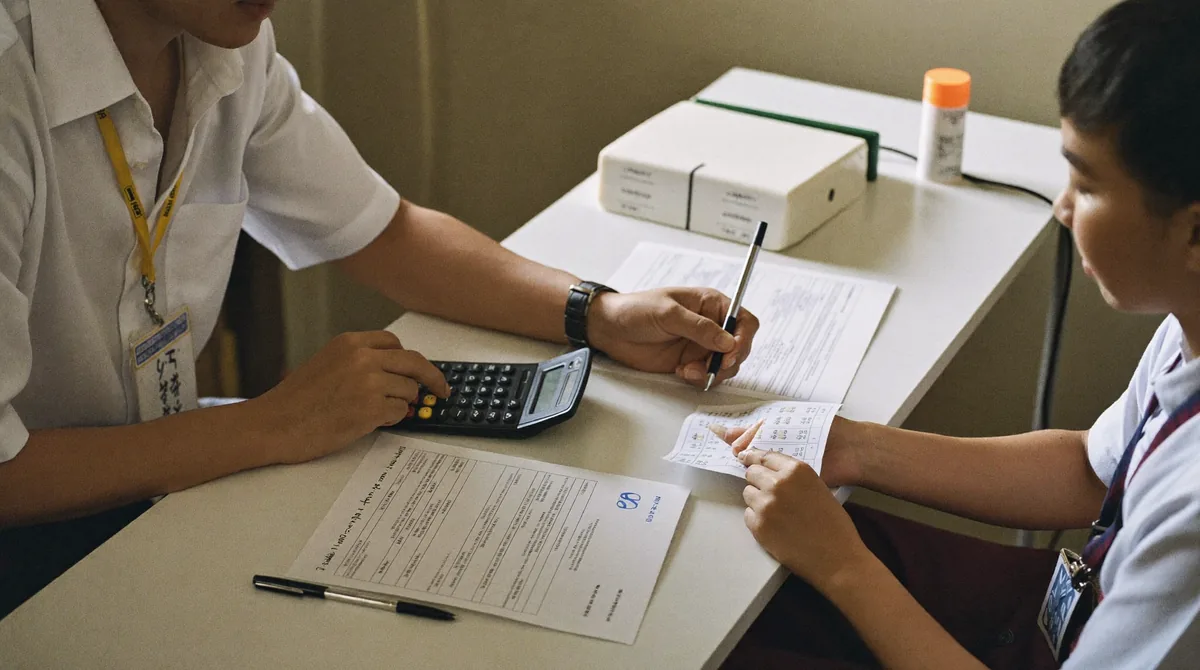 Equal pay for dispatched workers: the two methods and the FY2026 general wage levelsHow the client comparison method and the labor management agreement method work, what the client provides before signing, and the FY2026 general wage figures from the MHLW notice, including the Kanagawa and Kawasaki indices.
 The Engineer/Specialist in Humanities/International Services visa: which jobs qualifyJapan's most common work visa has clear rules on what counts as a qualifying job, how your degree or experience must connect to it, why applications get refused, and how much on the floor training is allowed. Based on the ISA guideline.
 Plain Japanese at Work: The Guideline, Rewrites and Multilingual Safety MaterialsThe three steps in the government's plain Japanese guideline, before and after examples for shop floor instructions and safety notices, and the free multilingual safety and health materials from MHLW.
 The three year rule for dispatched workers, and what it adds when they are foreign nationalsThe two period limits, the conflict date, extensions, employment stabilization measures, the deemed offer rule, and the residence status steps that come with a direct hire.
 Checking the new residence card when you hireThe residence card no longer shows the period of stay. How to check it with the ISA app, and what skipping it risks.
 Working part time on a Student or Dependent visa: the 28 hour rule explainedStudents and dependents need permission to work, capped at 28 hours a week. How the limit works in practice.
 Reporting foreign hires to Hello Work: who files, what to include and whenEvery foreign hire and departure must be reported to Hello Work. Who files, what to include, and the deadlines.
 A record 2.57 million foreign workers: what the numbers mean for Kanagawa and KawasakiJapan had 2,571,037 foreign workers in October 2025. In Kanagawa, a third hold statuses with no work limits.
 Employment for Skill Development starts April 2027: what changes from technical intern trainingEmployment for Skill Development replaces technical intern training on April 1, 2027. What changes, and when.
 Japan to Increase Residence Application Fees from October 1, 2026New fees for extending your period of stay, changing your status of residence, and applying for Permanent Residence apply to applications received on or after October 1, 2026.
 Important Notice: Proposed Changes to Japanese Residence Application FeesJapan’s Immigration Services Agency has proposed new fees for residence status procedures, aiming to implement them around October 2026. This is a proposal and has not yet taken effect.
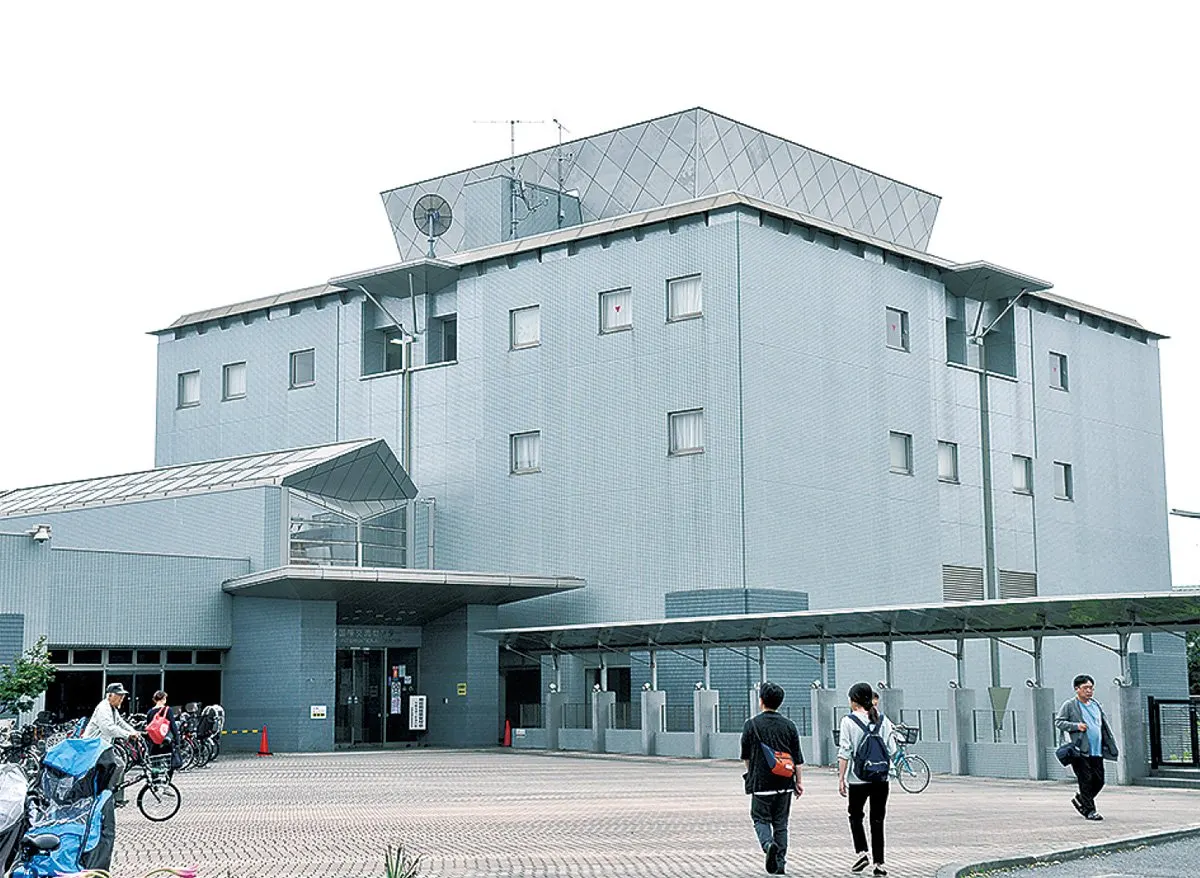 Living in Kawasaki? Discover KIAN, Your Support Center for Foreign ResidentsIf you live in Kawasaki City, the Kawasaki International Association (KIAN) supports foreign residents with daily life consultation, multilingual information, Japanese classes, and more.
 Taxes, Pension, and Health Insurance: What to Know Now to Avoid Regrets LaterIn Japan, your payment history for resident tax, health insurance, and pension stays on record. Unpaid amounts can affect future visa renewals, Permanent Residence, and naturalization.
 5 Common Reasons Permanent Residence Applications Are DeniedLiving in Japan for many years does not guarantee Permanent Residence. Here are five common reasons applications are denied, from unpaid taxes to an unstable income.
 Kawasaki Continues Its Efforts Toward a Multicultural SocietyKawasaki City is working toward a multicultural society, with its Representative Assembly for Foreign Residents at the center. Our president also serves as a foreign resident representative.
 New System from June 2026: The Specified Residence CardFrom June 14, 2026, Japan's Specified Residence Card combines the Residence Card and the My Number Card into a single card.
 Recent Updates on Visa and Immigration ProceduresVisa and immigration procedures in Japan have become more stringent, and renewals or status changes now often take about 1 to 3 months. Planning ahead with enough time is important.
 A New Strategy to Improve Hiring QualityIn today’s labor shortage, successful hiring is about quality as well as speed. We introduce foreign talent already living and working in Japan who can adapt to the workplace from day one.
 A New Approach to Utilizing Foreign Talent Already in JapanOur company specializes in introducing foreign talent already living in Japan. Because they understand Japanese culture and communication, they can adapt smoothly to the workplace.
 We Solve Workforce Challenges for Your BusinessAre you struggling with hiring foreign talent? We provide candidates tailored to your company’s needs and full support from recruitment to long-term retention.
 Impact of Residence Status System Changes on the Manufacturing IndustryFor manufacturers, stable long-term workforce planning is directly linked to business continuity. Policy changes affect not only documentation but also hiring systems and on-site management.
 Fundamentals of the Residence Status System and the Role of CompaniesWhen hiring foreign employees, companies must ensure that job duties align with each person’s authorized residence status. Improper management can affect corporate credibility and trust.
 Corporate Preparation and Risk Management in Hiring Foreign TalentCompanies accepting foreign employees must prepare not only for legal compliance but also at the operational level, from clear employment regulations to internal training.
 Future Trends in Foreign Talent Policy and Corporate PreparationIn response to worsening labor shortages, the Japanese government continues to review and improve its policies for accepting foreign workers. Staying informed about these changes is essential.
 Preparation Requirements for Accepting Foreign TalentWhen accepting foreign employees, companies must ensure proper labor conditions and internal systems are in place. When these are well organized, long-term retention improves.
 The Difference Between Staffing and Recruitment ServicesThere are two primary methods for hiring foreign talent: staffing services and direct recruitment services. The best option depends on each company’s management conditions and on-site needs.
 Proposal for Utilizing Foreign Talent with Strong Legal ComplianceThe utilization of foreign talent is not merely a solution to labor shortages. With proper management and strict compliance, it becomes part of a company’s long-term growth strategy.
 The Importance of Verifying Residence Status When Hiring Foreign TalentWhen hiring foreign employees, the most critical step is proper verification of their residence status. A mismatch between job duties and residence status can pose significant risks to the company.
 Current Situation and Challenges of Hiring Foreign Talent in the Manufacturing IndustryThe manufacturing industry faces a chronic labor shortage. Utilizing foreign talent is one effective solution, but a proper understanding of residence status and relevant laws is essential.